
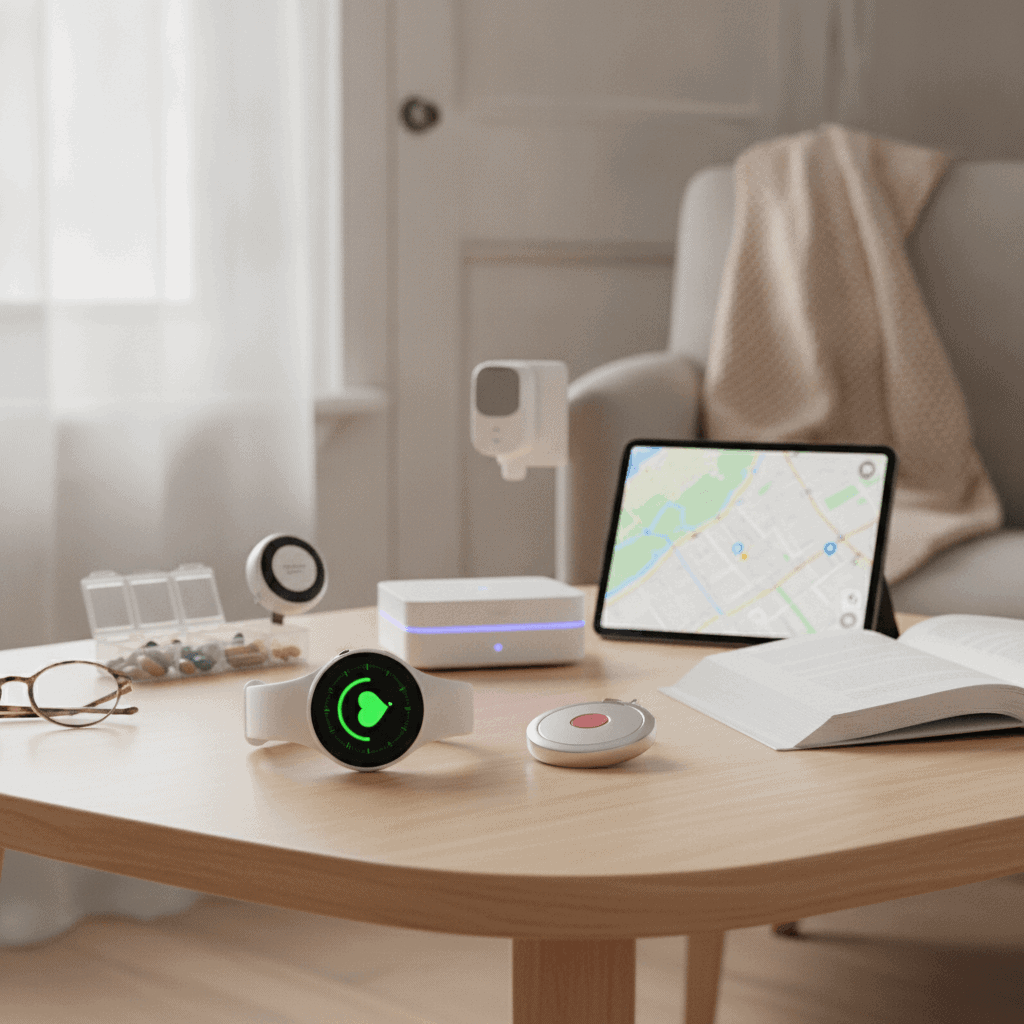
Caring for our elderly loved ones comes with a unique set of considerations. We all want them to live full, independent lives while still staying safe and connected. As someone who has seen the challenges and triumphs of aging firsthand, I know how important it is to find that balance. Technology offers some truly helpful solutions for this. It gives families peace of mind and allows seniors to maintain their freedom in a dignified way.
I understand the concerns many people have about technology feeling impersonal or complicated. My goal is to show how senior monitoring devices are not about surveillance but about empowerment. These tools provide a supportive layer of care. They ensure that help is always within reach if an unexpected situation arises. This guide will walk you through the different options available, what to look for, and how these devices can positively impact everyone involved.
Understanding the Need for Senior Monitoring Devices
The desire for independence is a powerful thing, especially as we age. Our seniors often want to stay in their homes for as long as possible. This brings comfort and familiarity. It also presents a challenge for adult children and caregivers who worry about their loved ones when they are alone. I have spoken with many families who wrestle with this very issue. They feel torn between respecting autonomy and ensuring safety.
This is where monitoring devices can play a crucial role. They are designed to bridge that gap. These systems offer a sense of security without requiring constant presence. This allows seniors to continue their daily routines with confidence. It also gives families a valuable tool to stay informed and responsive without feeling intrusive. We can use technology to enhance care and well-being, not replace human connection.
Bridging the Distance with Technology
Modern life often means families live far apart. This distance can make worries about an aging parent feel even bigger. I have seen how much anxiety this can cause. Family members constantly wonder if their loved one is okay, if they ate, or if they fell. This constant worry can take a toll.
Monitoring technology offers a way to ease some of that stress. It helps us stay connected in a meaningful way. Alerts about unusual activity or a simple check-in can make all the difference. Knowing that a system is actively watching for potential problems allows caregivers to breathe a little easier. It shifts the dynamic from reactive panic to proactive support. This allows us to maintain a more balanced approach to caregiving.
Types of Senior Monitoring Devices
The world of senior monitoring devices has grown a lot. There are now many options, each with different features to fit various needs. It is not a one-size-fits-all situation. The best device depends on the individual’s health, lifestyle, and comfort level with technology. I like to think of these as tools in a caregiver’s toolbox, each designed for a specific purpose.
Understanding the different types helps us make informed choices. Some devices focus on immediate emergency help. Others provide ongoing insights into daily patterns. Still others offer location tracking for those who might wander. We should consider what challenges our loved ones face and how technology can best support them. This personalized approach leads to the most effective solutions.
Personal Emergency Response Systems (PERS)
Personal Emergency Response Systems are probably the most well-known type of monitoring device. These systems usually involve a wearable button, either a pendant or a wristband. When pressed, the button connects the senior to a monitoring center or a designated family member. I have heard countless stories of these devices saving lives by providing quick access to help.
Many PERS devices also include automatic fall detection. This is a huge benefit for seniors at risk of falling, because they might not always be able to press a button after a fall. The system can sense a sudden impact and call for help on its own. These devices offer a direct line to assistance. They are simple to use and incredibly effective in emergencies.
GPS Trackers and Location Monitoring
For seniors who may have memory issues or a tendency to wander, GPS trackers offer an important layer of safety. These devices can be worn as a watch or carried in a pocket. They allow family members to know the senior’s location in real-time. This can prevent stressful situations and help locate a lost loved one quickly. I believe this technology can be a game changer for families facing these specific challenges.
We can often set up safe zones or geofences with these trackers. If the senior leaves a defined area, an alert is sent to caregivers. This proactive notification means families can intervene before a situation becomes critical. It gives back a sense of control and reduces fear. This ensures that even if a loved one gets disoriented, they can be found without delay.
Smart Home Sensors and Activity Monitors
Smart home sensors provide a less intrusive way to monitor activity patterns. These devices include motion sensors placed in key areas of the home, door and window sensors, and even bed sensors. They learn a senior’s typical routine over time. I have seen how this data can reveal important changes in behavior that might otherwise go unnoticed.
For example, if a senior usually gets up for breakfast at 7 AM but the motion sensor in the kitchen shows no activity by 10 AM, an alert can be sent. This allows for gentle, non-invasive monitoring. It respects privacy because it does not involve cameras. It simply tracks activity levels and patterns, helping to identify potential issues early. This method provides helpful insights without feeling like constant watchfulness.
Key Features to Look for in a Monitoring System
Choosing the right monitoring system means considering several factors. It is more than just picking the first device you see. We need to think about how it fits into a senior’s life. The technology should enhance their comfort and safety, not complicate things. My experience has taught me that the best devices are those that are dependable and easy to manage for everyone involved.
When you are looking at different options, focus on the core features that truly make a difference. Things like how well it works, how easy it is to use, and how it connects to help are super important. Thinking through these points helps you find the most suitable senior monitoring devices for your specific situation. This ensures a successful integration into daily life.
Battery Life and Durability
One critical feature for any monitoring device, especially wearables, is battery life. No one wants to worry about a device dying at a crucial moment. I always advise looking for systems with extended battery life and clear indicators for when charging is needed. Some devices can last for days or even weeks on a single charge. This reduces the burden of constant maintenance.
Durability also matters. Seniors lead active lives, so devices need to withstand daily wear and tear. Look for waterproof or water-resistant options, especially for wearables. This ensures they can be worn in the shower or during other activities where they might get wet. A robust device lasts longer and gives more reliable service. It offers consistent protection without frequent replacements.
User-Friendly Interface
A monitoring device is only effective if the senior can use it easily. This means a simple interface with clear buttons and understandable instructions. Complicated setups or tiny buttons can cause frustration and prevent proper use. I always advocate for devices that require minimal effort to operate. This makes adoption much smoother.
For some seniors, voice-activated controls are a great choice. They remove the need for fine motor skills or remembering specific button sequences. The device should integrate smoothly into their routine, not feel like another chore. Ease of use is key to consistent engagement and trust in the system. It ensures that help can be summoned without stress.
Integrating Monitoring Devices into Daily Life
Bringing a new monitoring device into a senior’s life needs a thoughtful approach. It is not just about installing the technology. It is about integrating it respectfully and effectively. I have found that open communication and a focus on collaboration make a world of difference. This helps everyone feel more comfortable and confident with the new tools.
The goal is to enhance life, not complicate it. We want seniors to see these devices as allies in maintaining their independence, not as a sign of lost freedom. Taking the time to introduce the device properly and address any concerns can set the stage for success. This careful introduction leads to better acceptance and consistent use of the technology.
Open Communication with Seniors
I cannot stress enough the importance of talking openly with your loved one about monitoring devices. Explain why you think it is a good idea, focusing on their safety and your peace of mind. Avoid making it sound like a punishment or a loss of trust. Instead, frame it as a tool that helps them continue living independently and securely. This conversation should be a dialogue, not a lecture.
Listen to their concerns. They might worry about privacy, feeling watched, or appearing helpless. Acknowledge these feelings. Reassure them that the device is there to support them, not to control them. Involving them in the choice of device can also increase their sense of ownership and willingness to use it. This collaborative approach builds trust and reduces resistance.
Setting Up and Testing Routinely
Once you choose a device, proper setup is crucial. Follow all instructions carefully. Make sure it is installed correctly and functioning as expected. I always recommend doing several test runs with your loved one. Practice using the emergency button or triggering an alert so they understand how it works and what to expect. This familiarity builds confidence.
Regular testing should become part of the routine. This ensures the device remains in good working order. It also helps everyone remember how to use it in a real emergency. Check battery levels, connectivity, and alert systems periodically. A quick monthly check can prevent a critical failure when it is needed most. This diligence guarantees the system will perform when required.
The Benefits Beyond Safety
While safety is often the primary reason for considering senior monitoring devices, their advantages stretch far beyond preventing accidents. I have seen how these tools can profoundly improve the overall quality of life for seniors and their families. They foster an environment where independence and emotional well-being can truly thrive. These benefits contribute to a more positive and secure aging experience.
It is important to look at the bigger picture when we think about these technologies. They are not just gadgets. They are investments in peace of mind, freedom, and better relationships. We can find ways to empower our loved ones, support ourselves as caregivers, and build stronger family connections. This holistic view reveals the true value of these systems in promoting a fulfilling life for seniors.
Empowering Independence
For many seniors, the fear of falling or needing help and not being able to get it is a constant worry. This fear can limit their activities and make them feel less independent. A monitoring device, like a PERS, removes some of that anxiety. Knowing that help is just a button press away can empower them to move more freely and confidently around their home or even outside. I believe this restores a vital sense of autonomy.
This increased confidence means they can continue to enjoy their hobbies, manage their household, and engage with their community. They are not waiting for someone to check on them. They are living their lives, knowing there is a safety net in place. This shift from fear to freedom is a significant benefit that greatly enhances their daily happiness and sense of self-reliance. It transforms their experience of aging.
Reducing Caregiver Stress
Caring for an aging parent or loved one is a rewarding but often stressful role. The constant worry about their well-being can be overwhelming. I have witnessed the immense relief families feel when they implement a monitoring system. It does not replace their care but augments it. This technology provides a much-needed layer of support that lightens the mental load.
Knowing that alerts will be sent if a fall occurs or if there is unusual activity allows caregivers to focus on other aspects of their lives without constant apprehension. They can work, manage their own families, or even take a much-needed break. This balance prevents burnout and helps maintain the caregiver’s own health and well-being. It creates a healthier relationship dynamic for everyone. We can provide better care when we are not constantly burdened by worry.
Choosing the Right Device for Your Loved One
The best senior monitoring device is one that truly fits your loved one’s unique circumstances. There is no single perfect solution. We need to consider their specific health needs, their daily routines, and their personal comfort with new technology. My advice is always to start by having an honest conversation with them and with other family members involved in their care.
Think about what issues you are trying to address most. Is it the risk of falls, potential wandering, or simply needing a way to call for help in an emergency? Their lifestyle plays a big part too. An active senior who is often out and about might benefit more from a mobile GPS-enabled PERS. Someone who mostly stays home might prefer a simpler in-home system. We must make this choice with care and consideration for their individual needs and wishes.
Conclusion
Navigating the later stages of life brings new challenges for seniors and their families. My goal is to always empower individuals to maintain their independence and dignity. Senior monitoring devices offer a fantastic pathway to achieving this important balance between autonomy and safety. We have discussed how these systems range from emergency response buttons to subtle smart home sensors, each designed to provide crucial support. They offer peace of mind for families, knowing that their loved ones are safe and connected, even from a distance. Beyond just safety, these devices foster a renewed sense of confidence and freedom for seniors. They allow older adults to continue living in their own homes and engage with their communities with reduced fear. This technology helps to lessen the heavy burden of constant worry on caregivers. It allows them to maintain their own well-being. It is about finding the right tools that integrate seamlessly into daily life. It is about enhancing overall well-being. I encourage you to research the options available. Consider what best suits your loved one’s specific needs and preferences. Start a conversation with them and other family members today. Explore how these smart solutions can create a safer, more independent, and more joyful future for everyone.


